
Personal branding is an essential aspect of building a successful small business. It allows you to establish a unique identity that sets you apart from competitors and helps potential customers recognize and remember your brand. Your personal brand is a reflection of your values, skills, and personality, and it can be a powerful tool for establishing trust and credibility with your audience.
Understanding Personal Branding Personal branding is the process of developing a unique identity that represents you and your business. It involves defining your values, skills, and personality traits and creating a consistent image that reflects these qualities. Your personal brand should be authentic and genuine, and it should accurately represent who you are as a person and as a business owner.
Importance of Personal Branding for Small Businesses Personal branding is particularly important for small businesses, as it can help you establish a strong reputation and stand out in a crowded market. By building a personal brand, you can establish yourself as an expert in your industry and create a loyal following of customers who trust and respect your brand.
Additionally, a strong personal brand can help you attract new customers and build valuable partnerships with other businesses in your industry.

As a small business owner, you might think that branding is only for big corporations. However, personal branding is just as important for small businesses, if not more so. Personal branding is the practice of creating a unique image and reputation for yourself, both online and offline. It’s how you present yourself to the world and how you want people to see you.
A strong personal brand can help you stand out in a crowded market, attract new customers, and build trust with your audience. It can also help you establish yourself as an expert in your field and create a loyal following of customers who are passionate about your brand.
Personal branding is not just about creating a logo or a catchy tagline. It’s about defining who you are as a person and as a business owner. It’s about identifying your values, your strengths, and your unique selling proposition (USP). Your USP is what sets you apart from your competitors and makes you the go-to person in your industry.
To create a strong personal brand, you need to be authentic, consistent, and intentional. You need to be true to yourself and your values, and you need to communicate your message clearly and consistently across all channels. This includes your website, social media profiles, business cards, and any other marketing materials.
Personal branding is an ongoing process that requires time, effort, and dedication. It’s not something that you can do overnight, but it’s worth the investment. By creating a strong personal brand, you can build a successful business that stands out from the crowd and attracts loyal customers who are passionate about your brand.
Personal branding is crucial for small businesses as it is the key to standing out in a crowded market. It helps you differentiate yourself from your competitors and attract your ideal customers. By building a strong personal brand, you can create a unique identity that resonates with your target audience and helps establish trust and credibility.
One of the main benefits of personal branding for small businesses is that it allows you to showcase your expertise and knowledge. By positioning yourself as an expert in your field, you can demonstrate your value to potential customers and build a reputation as a go-to source for information and advice. This can help you attract more clients and grow your business.
Another advantage of personal branding for small businesses is that it can help you establish a connection with your audience. By sharing your story, values, and personality, you can create a sense of relatability that makes people feel more connected to you and your brand. This can help you build a loyal following and turn customers into brand advocates.
Personal branding can also help you build a strong online presence. In today’s digital age, having a strong online presence is essential for small businesses. By creating a consistent and compelling personal brand across all your online channels, you can increase your visibility, attract more traffic to your website, and generate more leads and sales.
In summary, personal branding is essential for small businesses as it helps you differentiate yourself from your competitors, showcase your expertise, establish a connection with your audience, and build a strong online presence. By investing in your personal brand, you can create a unique identity that resonates with your target audience and helps you grow your business.
Building a personal brand is crucial for small business owners. It helps you stand out from the competition and connect with your audience on a personal level. Here are three key steps to building a strong personal brand.
To build a personal brand, you need to identify what makes you unique. What skills, experiences, or perspectives do you bring to the table that others don’t? This could be anything from your expertise in a particular area to your personality traits.
One way to identify your unique value is to conduct a SWOT analysis. This involves analyzing your strengths, weaknesses, opportunities, and threats. By doing this, you can identify what sets you apart from others in your industry and how you can leverage that to build your personal brand.
Once you’ve identified your unique value, you need to define your audience. Who are you trying to reach with your personal brand? What are their needs, interests, and pain points? By understanding your audience, you can tailor your brand messaging to resonate with them.
To define your audience, you can create buyer personas. These are fictional representations of your ideal customers based on real data and research. By creating detailed personas, you can better understand your audience and create content that speaks directly to them.
Finally, you need to create a brand voice that reflects your unique value and resonates with your audience. Your brand voice is the tone and style you use to communicate with your audience. It should be consistent across all of your marketing channels, from your website to your social media profiles.
To create a brand voice, start by defining your brand personality. Are you serious and professional, or fun and lighthearted? Once you’ve defined your personality, you can start to develop your brand voice. This might involve creating a style guide that outlines your tone, vocabulary, and messaging.
By following these steps, you can build a personal brand that sets you apart from the competition and connects with your audience on a deeper level.
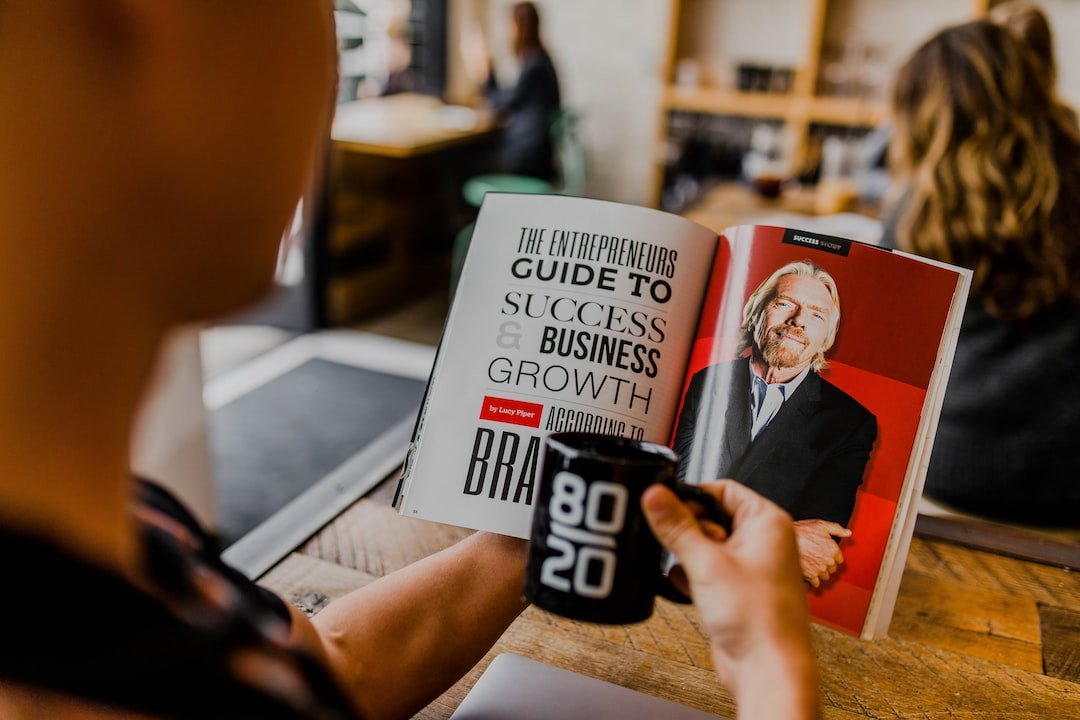
Once you have established your personal brand, it’s time to promote it. Here are some effective ways to promote your personal brand as a small business owner:
Social media is a powerful tool for promoting your personal brand. By creating and maintaining a strong social media presence, you can connect with your target audience, build relationships, and establish yourself as an authority in your industry. Here are some tips for leveraging social media to promote your personal brand:
Networking is another effective way to promote your personal brand. By attending events and connecting with other professionals in your industry, you can build relationships and establish yourself as a thought leader. Here are some tips for networking effectively:
Content marketing is a great way to promote your personal brand and establish yourself as an authority in your industry. By creating and sharing valuable content, you can attract and engage your target audience. Here are some tips for content marketing:
By leveraging social media, networking, and content marketing, you can effectively promote your personal brand as a small business owner.

To ensure that your personal brand is effective and aligned with your goals, it’s important to monitor and continually improve it. Here are some key strategies to help you do just that:
One of the most effective ways to improve your personal brand is to solicit feedback from those around you. This can include colleagues, clients, customers, and even friends and family members. Ask them what they think of your brand, how it could be improved, and what they think your strengths and weaknesses are.
When requesting feedback, be sure to ask specific questions and be open to constructive criticism. Take the feedback you receive seriously and use it to make meaningful changes to your personal brand.
Consistency is key when it comes to personal branding. Make sure that your brand messaging, visuals, and overall tone are consistent across all platforms and channels. This includes your website, social media profiles, email signature, and any other materials that represent you and your brand.
To help maintain consistency, consider creating a style guide that outlines your brand’s colors, fonts, and messaging. This will ensure that everyone who represents your brand, including yourself, is on the same page.
As your business and personal goals evolve, so too should your personal brand. It’s important to regularly assess your brand and make changes as necessary. This could include updating your messaging, rebranding your visuals, or even pivoting your overall strategy.
When making changes to your personal brand, be sure to communicate them clearly and consistently across all platforms. This will help ensure that your audience is aware of the changes and understands how they align with your overall goals.
By monitoring and continually improving your personal brand, you can ensure that it remains effective and aligned with your goals. Use these strategies to stay on top of your brand and make meaningful changes as needed.
Personal branding is a powerful tool that can help small business owners stand out from the competition. Here are a few examples of successful personal branding that you can learn from:
Gary Vaynerchuk is a serial entrepreneur, author, and speaker who has built a strong personal brand by sharing his knowledge and insights on social media. He has over 8 million followers on Instagram and over 2 million subscribers on YouTube.
Vaynerchuk has established himself as an expert in the digital marketing space by providing valuable content to his followers. He shares his insights on topics such as entrepreneurship, social media marketing, and personal development. By consistently providing value to his audience, he has built a loyal following and established himself as a thought leader in his industry.
Marie Forleo is a business coach, author, and speaker who has built a successful personal brand by focusing on her unique personality and style. She has over 800,000 subscribers on YouTube and over 300,000 followers on Instagram.
Forleo has built her personal brand by being authentic and relatable to her audience. She shares her personal experiences and struggles, which helps her connect with her followers on a deeper level. She also uses humor and storytelling to make her content engaging and entertaining.
Neil Patel is a digital marketing expert and entrepreneur who has built a successful personal brand by providing valuable content to his audience. He has over 1 million subscribers on YouTube and over 400,000 followers on Instagram.
Patel has established himself as an authority in the digital marketing space by sharing his knowledge and insights on topics such as SEO, content marketing, and social media. He provides actionable tips and strategies that his audience can use to improve their own businesses. By consistently providing value to his followers, he has built a strong personal brand and established himself as a trusted expert in his industry.
These case studies demonstrate the power of personal branding for small business owners. By focusing on your unique personality and expertise, and consistently providing value to your audience, you can build a strong personal brand that sets you apart from the competition.
In today’s digital age, personal branding is essential for small business owners. Your personal brand is what sets you apart from your competitors and helps you build a strong reputation in your industry. By investing time and effort into building your personal brand, you can establish yourself as an expert in your field and attract new customers to your business.
To create a successful personal brand, you need to define your unique value proposition and communicate it effectively to your target audience. This involves developing a clear and consistent message that reflects your personality, values, and expertise. By doing this, you can build trust and credibility with your audience and establish yourself as a thought leader in your industry.
One of the most important aspects of personal branding is your online presence. In today’s digital world, your online reputation is just as important as your in-person reputation. This means that you need to have a strong online presence that showcases your expertise and builds trust with your audience. This can include creating a professional website, engaging on social media, and producing high-quality content that demonstrates your knowledge and expertise.
Another key aspect of personal branding is networking. By building relationships with other professionals in your industry, you can expand your reach and increase your visibility. This can involve attending industry events, joining professional organizations, and connecting with other professionals on social media.
Overall, personal branding is an essential tool for small business owners who want to establish themselves as experts in their field and attract new customers to their business. By investing time and effort into building your personal brand, you can set yourself apart from your competitors and build a strong reputation in your industry.
A: Personal branding is crucial for small businesses because it helps establish a professional brand identity, differentiate yourself from competitors, and build credibility with your target audience.
A: To create a strong personal brand, focus on developing your brand identity, showcasing your expertise, and building a reputation that sets you apart in your industry.
A: Yes, personal branding can help you build a reputation by developing a consistent online presence, showcasing your expertise, and actively engaging with your audience through various channels.
A: Yes, many influencers and business professionals have successfully built their personal brands. Some notable examples include Gary Vaynerchuk, Marie Forleo, and Neil Patel.
A: To build your personal brand on social media, it is important to ensure that your online presence is aligned with your brand identity, actively engage with your audience, and share valuable content that resonates with your target audience.
A: Here are some actionable tips for personal branding: define your target audience, create a compelling personal branding statement, build a consistent online presence, showcase your expertise, and actively engage with your audience.
A: Personal branding can greatly contribute to business growth as it allows you to build trust and credibility with your target audience, attract more clients or customers, and position yourself as an industry expert.
A: Yes, it is important to work on your personal brand, even if you have a good business brand. Personal branding can complement your business brand and help you connect with your audience on a more personal level.
A: A strong personal brand can help skyrocket your business by attracting more clients or customers, differentiating yourself from competitors, and establishing yourself as an influential figure in your industry.
A: With a solid personal brand, you differentiate yourself from your competitors by showcasing your unique skills, expertise, and values. This helps you stand out and attract the attention of your target audience.