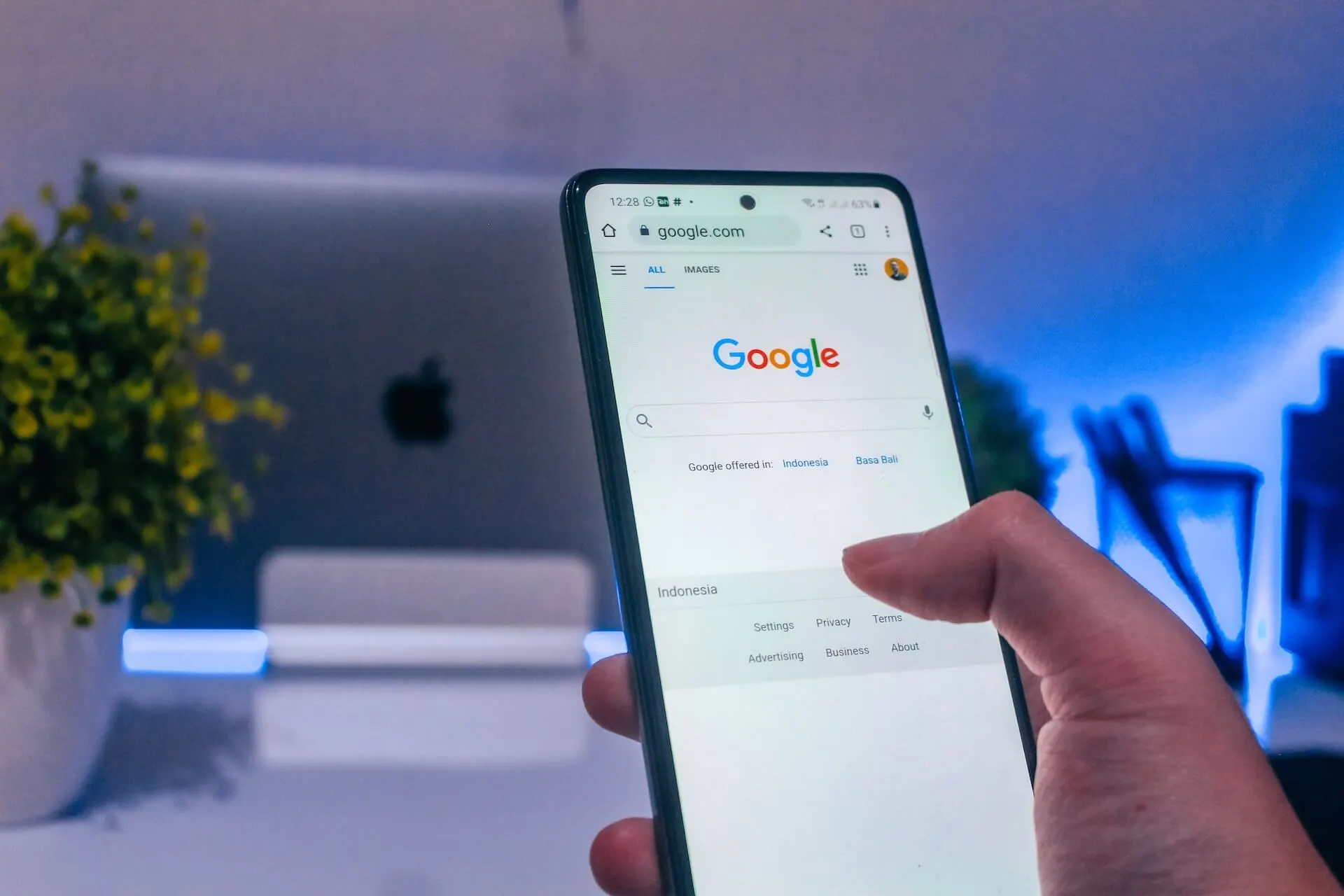


Mobile optimization is a crucial aspect of any business that wants to succeed in today’s digital age. With the rise of mobile devices, more and more people are accessing the internet through their smartphones and tablets. As a small business owner, it’s essential to understand the importance of mobile optimization and how it can impact your bottom line.
In this article, we will explore the key elements of mobile optimization and how they can help small businesses succeed. We will discuss the challenges that small businesses face when implementing mobile optimization and how to measure success. By the end of this article, you will have a better understanding of how to optimize your website for mobile devices and improve your online presence.
In today’s world, having a website that is optimized for mobile devices is crucial for the success of small businesses. Mobile optimization refers to the process of designing and developing a website so that it is easy to use and navigate on mobile devices such as smartphones and tablets.
Mobile optimization is important because more and more people are using their mobile devices to access the internet. In fact, according to Forbes, mobile devices now account for over 50% of all internet traffic. This means that if your website is not optimized for mobile, you could be missing out on a significant amount of potential customers.
One of the key aspects of mobile optimization is responsive design. Responsive design is a design approach that allows a website to adapt to the screen size of the device it is being viewed on. This means that whether a user is viewing your website on a desktop computer, a smartphone, or a tablet, the website will adjust to fit the screen size and provide a seamless user experience.
Another important aspect of mobile optimization is page speed. Mobile users expect websites to load quickly, and if your website takes too long to load, users are likely to leave and go to a competitor’s website instead. According to Market Tailor, a one-second delay in page load time can result in a 7% reduction in conversions.
In summary, mobile optimization is essential for small businesses that want to succeed in today’s digital world. By designing and developing a website that is optimized for mobile devices, you can provide a seamless user experience and attract more potential customers to your business.

As a small business owner, you may be wondering why mobile optimization is so important. With more and more people using their mobile devices to browse the internet, it’s essential for small businesses to have a mobile-optimized website. In this section, we’ll discuss the importance of mobile optimization for small businesses and why you need to make it a priority.
Mobile optimization can help increase traffic to your website. When your website is mobile-friendly, it’s easier for users to find and navigate your site on their mobile devices. This can result in more traffic to your website, which can lead to more leads, sales, and revenue for your business.
Mobile optimization can also improve the user experience on your website. When your website is optimized for mobile devices, it’s easier for users to navigate and find what they’re looking for. This can lead to a better user experience and a more positive perception of your brand.
Mobile optimization can also lead to higher conversion rates. When your website is mobile-friendly, it’s easier for users to complete actions such as filling out a form or making a purchase. This can result in higher conversion rates and more revenue for your business.
In summary, mobile optimization is crucial for small businesses. It can increase traffic to your website, improve the user experience, and lead to higher conversion rates. By making mobile optimization a priority, you can ensure that your business is reaching its full potential online.
Mobile optimization is essential in today’s digital landscape, especially for small businesses. With more and more people accessing the internet through mobile devices, it’s crucial to ensure that your website is optimized for mobile users. Here are some key elements of mobile optimization that you should keep in mind.
Responsive web design is a critical element of mobile optimization. It ensures that your website is user-friendly across different devices, regardless of the screen size. With responsive design, your website will automatically adjust to fit the screen of the device that the user is using, providing a seamless user experience.
Mobile users expect fast loading times, and a slow website can significantly impact your bounce rate. It’s essential to optimize your website’s loading speed by minimizing image sizes, compressing files, and leveraging browser caching. A fast-loading website can improve user experience and increase your chances of converting visitors into customers.
Navigation is another critical element of mobile optimization. Your website’s navigation should be intuitive and easy to use, with clear and concise labels. Users should be able to find what they’re looking for quickly without having to navigate through multiple pages. Consider using drop-down menus or a hamburger menu to make navigation more accessible.
Finally, clear and concise content is essential for mobile optimization. Mobile users have shorter attention spans, so it’s crucial to get your message across quickly and efficiently. Use short paragraphs, bullet points, and headings to break up your content and make it more scannable. Remember to keep your content relevant and informative without being too wordy or overwhelming.
By focusing on these key elements of mobile optimization, you can ensure that your website is optimized for mobile users, providing a better user experience and increasing your chances of success.
When it comes to implementing mobile optimization for your small business, you have two main options: hiring a professional or doing it yourself. Each option has its own pros and cons, and it’s important to carefully consider which one is the best fit for your business.
Hiring a professional to handle your mobile optimization can be a great choice if you don’t have the time or expertise to do it yourself. A professional can help ensure that your website is optimized for mobile devices in a way that is both effective and efficient.
When looking for a professional to help with your mobile optimization, be sure to do your research and find someone with experience and a track record of success. Look for someone who can provide references and examples of previous work.
Keep in mind that hiring a professional can be more expensive than doing it yourself, so be sure to factor the cost into your budget. However, the investment can pay off in the form of increased traffic and conversions.
If you have the time and expertise, doing your own mobile optimization can be a cost-effective option. There are many resources available online to help you get started, including tutorials, guides, and tools.
When doing your own mobile optimization, it’s important to keep best practices in mind. This includes things like using responsive design, optimizing images and videos and minimizing page load times.
One of the biggest advantages of doing your own mobile optimization is that you have complete control over the process. You can make changes and adjustments as needed without having to rely on someone else.
However, keep in mind that doing your own mobile optimization can be time-consuming, and there is a learning curve involved. It’s important to be patient and persistent and to continually monitor and analyze your results to ensure that your efforts are paying off.
Overall, whether you choose to hire a professional or do it yourself, implementing mobile optimization is an important step for any small business looking to improve its online presence and reach more customers.
When it comes to mobile optimization, measuring success is crucial to ensure that your efforts are paying off. Here are some key metrics to track:
Mobile bounce rate measures the percentage of visitors who leave your website after viewing only one page. A high bounce rate could indicate that your website is not optimized for mobile devices. To improve your mobile bounce rate, make sure your website is mobile-friendly, loads quickly, and has easy-to-use navigation.
Average session duration measures how long visitors stay on your website. A longer average session duration indicates that visitors are engaged with your content and find what they need. To improve your average session duration, make sure your website has high-quality content, is easy to navigate, and loads quickly.
Page views measure how many pages visitors view on your website. A higher number of page views could indicate that visitors are finding your content interesting and engaging. To increase your page views, make sure your website has clear and easy-to-use navigation and high-quality content that encourages visitors to explore more.
By tracking these metrics, you can better understand how well your website is performing on mobile devices and make improvements as needed. Remember, mobile optimization is an ongoing process, so continue to monitor these metrics and make adjustments as necessary to ensure your website is always performing at its best.
Mobile optimization is crucial for small businesses to reach their target audience effectively. However, there are several challenges that small businesses face when it comes to mobile optimization. In this section, we will discuss two of the most significant challenges and how to overcome them.
Technology is constantly evolving, and it can be challenging for small businesses to keep up. With new devices and software being released regularly, it can be difficult to ensure that your website or app is optimized for all platforms. Failure to keep up with technology can result in your website or app becoming outdated and not working correctly on newer devices.
To overcome this challenge, it is essential to stay up-to-date with the latest trends and technologies. Regularly update your website or app to ensure that it is compatible with the latest devices and software. Additionally, consider partnering with a technology provider who can help you stay up-to-date with the latest trends and technologies.
Mobile optimization can be expensive, especially for small businesses with limited budgets. The cost of implementing mobile optimization can include designing a mobile-friendly website, developing a mobile app, and providing ongoing maintenance and updates.
To overcome this challenge, it is essential to carefully consider your budget and prioritize the most critical aspects of mobile optimization. Consider starting with a mobile-friendly website before investing in a mobile app. Additionally, consider using affordable mobile optimization tools and services that can help reduce the cost of implementation.
In conclusion, mobile optimization is crucial for small businesses to reach their target audience effectively. However, challenges such as keeping up with technology and the cost of implementation can make it difficult to achieve. By staying up-to-date with the latest trends and technologies and carefully considering your budget, you can overcome these challenges and successfully optimize your business for mobile devices.
In today’s digital age, mobile optimization is a must for small businesses looking to increase their online presence and attract more customers. By optimizing your website for mobile devices, you can improve user experience, increase visibility, and ultimately drive more conversions.
Here are a few key takeaways to keep in mind as you work on optimizing your website for mobile devices:
By following these tips and staying up to date on the latest mobile optimization best practices, you can position your small business for success in today’s mobile-first world.
A: Mobile optimization is the process of optimizing a website for mobile devices, such as smartphones and tablets. It involves making changes to the design, layout, and functionality of the website to ensure that it is user-friendly and performs well on mobile devices.
A: Mobile optimization is important for small businesses because the majority of online searches are now done on mobile devices. If your website is not optimized for mobile, you could be missing out on potential customers and sales. Mobile optimization also improves user experience and can help boost your website’s visibility in search engine results.
A: Mobile optimization plays a significant role in SEO. Search engines like Google prioritize mobile-friendly websites in their search results. So, if your website is not mobile-friendly, it may not rank as well in search engine results, leading to lower visibility and less organic traffic.
A: To optimize your website for mobile devices, you can follow these steps: 1. Use a responsive web design that adapts to different screen sizes. 2. Optimize your images and videos for mobile loading speed. 3. Ensure that your website’s buttons and links are easy to tap on mobile screens. 4. Simplify your website’s navigation for mobile users. 5. Test your website’s mobile performance using tools like Google’s Mobile-Friendly Test. 6. Improve your website’s loading speed on mobile devices. 7. Make sure your content is easy to read on smaller screens. 8. Implement a mobile-friendly design that enhances user experience on mobile devices.
A: Having a mobile-friendly website offers several benefits, including: 1. Improved user experience for mobile visitors. 2. Higher chances of appearing in local search results. 3. Better visibility in search engine rankings. 4. Increased mobile traffic and potential sales. 5. Reduced bounce rates on mobile devices.
A: While creating a separate mobile version of your website is an option, it is recommended to use a responsive web design instead. A responsive design ensures that your website looks and functions well on all devices, including mobile devices, without the need for separate versions.
A: To optimize your website for local search on mobile devices, consider the following strategies: 1. Include relevant local keywords in your website’s content. 2. Create and optimize a Google My Business listing. 3. Ensure your business name, address, and phone number (NAP) are consistent across all online platforms. 4. Encourage customers to leave reviews or ratings on your Google My Business listing. 5. Use location-specific content and landing pages on your website.
A: Mobile marketing plays a crucial role in local business growth. It allows businesses to reach potential customers who are searching for products or services on their mobile devices. By optimizing your website for mobile and implementing mobile marketing strategies, you can effectively target local customers and increase your online presence in the local market.
A: To measure the success of your mobile optimization efforts, you can analyze various metrics such as mobile traffic, bounce rates, average session duration on mobile devices, and conversion rates for mobile users. Google Analytics provides valuable insights into these metrics, allowing you to evaluate the impact of your mobile optimization strategies.
A: Some mobile SEO best practices include: 1. Using a mobile-responsive web design 2. Optimizing your website’s loading speed on mobile devices 3. Creating mobile-friendly content that is easy to read on smaller screens 4. Using descriptive and concise meta tags for mobile search snippets 5. Implementing structured data markup for mobile search results